I embarked on desktop research after taking guidance from the client and expert interviews.
The outcomes of this research are discussed in the following sections.
DESKTOP RESEARCH - BRAND DEVELOPMENT
From client feedback, the current CAS brand identity, established in 2009 isn’t considered as strong.
The research confirmed and aligned with comments and recommendations received from both the client and expert interviews.
Defining each element in the brand architecture, why it is important, how to establish it and referencing inspirational examples provides insight into creating a successful brand for CAS.
Brand Positioning
The brand positioning forms the foundation from which all brand elements stem. A brand positioning is a space a brand wants to occupy in people’s minds. The purpose of the positioning strategy is to provide a focus for every short-term and long-term strategic decision concerning the brand, that shapes how the target audience perceives a brand and the major difference a brand offers, that is both valuable and believable compared to competitors.
A positioning statement is a brief description of the service, target market, and how the service fills a particular need. It’s meant to be used as an internal tool to align all marketing and communication efforts with the brand and value proposition. A brand positioning statement benefits clients, but this benefit is brought about by adherence to the statement from the brand itself (Burns, 2022b).
The brand positioning includes the brand narrative, personality, tone of voice, and values.
Brand Narrative
A good brand narrative communicates who you are, and what you stand for, by telling the story of the brand’s origins, values, goals and mission in a manner that activates emotions and humanizes a business so people can connect with it, fostering a sense of familiarity and personality that set it apart from the competition. The brand narrative sets the stage for every interaction clients have with a brand (Bullen, 2019).
A brand narrative is formed, by determining why the brand was created, understanding the brand’s offering, understanding the target audience, creating connections through human stories, and keeping the message authentic, concise and consistent (Romano, 2021).
A brand narrative creates an emotional connection with an audience that results in a stronger following, support and increased client base.
A good example of a strong brand narrative is that of Airbnb - a trusted community marketplace for consumers to list, discover, and book unique accommodations for unique travel experiences, essentially, ‘welcome home’. This narrative worked in that it challenged the hotel industry and redefined an experience, resulting in a community of loyal users (Airbnb, 2022).

Fig. 1. Airbnb, 2022. Airbnb Logo.
Brand Personality
Brand personality is the basis of a brand and the distinct set of human characteristics attributed to a brand in the eyes of a customer. A brand’s personality is what shapes the public perception of a brand based on how it acts, what it says and what it looks like. It’s a prerequisite that defines how the brand communicates to the target audience and thus its effective engagement with the target audience (Dvornechcuck, 2022).
Various avenues can be used to establish a brand personality, from using brand archetypes to listing a core set of adjectives that describe the personality. A brand personality can also fall into the extreme dimensions of formal vs. casual; funny vs. serious; respectful vs. irreverent.
There’s a lot to be learned from Harley Davidson’s brand personality, which embraces the rebellious spirit of its customers and takes pride in going against the grain of everyday society. Harley-Davidson has a rugged, macho, rebellious, America-loving, freedom-seeking personality. This rugged personality suggests that the product is powerful and the motorcycles are mean and tough machines. There are few brands in the world that represent who their audience is as well as Harley Davidson does (Dvornechcuck, 2022).

Fig. 2. Harley-davidson, 2022. Harley-Davidson Advert.
Brand Tone of Voice
The tone of voice is how the character of your business comes through in your words, both written and spoken. It’s not about what you say, but rather the way you say it, and the impression it makes on an audience. It’s a part of a brand expression that together with more tangible visuals defines a brand identity (Dvornechcuck, 2022).
A brand’s tone of voice makes the brand human, fosters connection with an audience, builds trust, and authority and sets a brand apart from its competition (The Acrolinx Team, 2018).
A brand’s tone of voice is defined along a spectrum of funny vs. serious; formal vs. casual; respectful vs. irreverent; enthusiastic vs. matter-of-fact. The tone of voice should be described in three adjectives that all communication reflects (Burns, 2022b).
Mailchimp is a champion of brand tone of voice. Mailchimp makes email sending easy with a tone of voice that’s clear and friendly, but professional. “We write the same way we build apps: with a person-first perspective.” The homepage feels like a one-on-one conversation with the audience, “your business was born for this,” and “you’ll be in good company, Mailchimp is successful because it doesn’t talk to business owners or people who want more customers, it talks directly to the audience and assures them, they have the solutions they need while making every visitor feel like they are part of the Mailchimp team (Schroeder, 2019).
Brand Values
Brand values are the internal part of the brand that shapes the culture and community of a brand, ensuring it connects with its customers in a meaningful way and guides a brand’s purpose, personality, and proposition. The brand value proposition differentiates a brand from its competitors.
The best brand values work because they’re reflective of the customer’s ideology, but embrace the passions of a brand or business. Brand values should be memorable, unique, actionable, meaningful, clear and timeless (Couchman, 2017).
Adidas places its core values in the frame of a competition, “we play to win.” Their core values include their purpose ‘Through sport, we have the power to change lives,’ and their mission, ‘to be the best sports company in the world.’ It’s all about winning—improving their competitive position, achieving peak performance—and, in that, Adidas’ values match those of their customers (Wachtel, 2019).

Fig. 3. Adidas, 2022. Adidas Logo.
Vision Statement/ Mission Statement/ Elevator Pitch/ Manifesto
If the positioning statement is the internal brand communication, then the vision statement, mission statement, elevator pitch and manifesto would be versions of external brand communication.
Mission Statement
A mission statement communicates the purpose of the brand, by describing its values, aims and what makes the brand different from its competition (Blasbalg, 2020).
“To accelerate the world’s transition to sustainable energy.” Tesla
The mission statement narrows the focus down to Tesla’s core purpose: to provide clean energy electric vehicles to the public, while still acknowledging the ongoing transition between fossil fuels and sustainable energy. This self-awareness that its market is still relatively young sets Tesla apart from its competition (Nelson, 2020).

Fig. 4. Tesla, 2022. Tesla Logo.
Vision Statement
A vision statement details what a brand aims to achieve in the future by defining the strategy and objectives required to reach those goals. (GoDaddy, 2020).
“We’re in business to save our home planet”. Patagonia
Patagonia’s vision statement emphasises the overall impact that its products and business model have on the world through the conservation of resources and protection of the environment. Its benefits include distinguished quality, improving lives and saving the planet (John, 2019).
Fig. 5. Patagonia, 2022. Patagonia Logo.
Elevator Pitch
An elevator pitch is a brief, persuasive, inspirational speech used to spark interest in a brand by introducing the brand, its purpose, goals, core values, passions, philosophies and unique value proposition in a manner that reflects the brand’s uniqueness and what sets it apart from its competitors (Sidebean, 2022).
“There are 40MM independent workers in the US: consultants, freelancers, and small business owners. Solving office space is tough and expensive, especially in cities like New York. We created the concept of space as a service. We have 20 locations in the city- where people can rent a desk or an office without any of the complications of a traditional lease, effectively saving at least 25% of the cost. They get access to a shared front desk, mailroom, and a community of like-minded people”. WeWork Elevator Pitch
WeWork’s elevator pitch delivered the purpose, goals, values, passion and UVP in a short, persuasive speech that enticed investors and clients alike (Sidebean, 2022).
Fig. 6. Wework, 2022. Wework Logo.
Manifesto
A brand manifesto is a public declaration that explains the motivation behind a brand and what sort of change it hopes to affect through its mission. A manifesto is a combination of a mission statement, vision statement and call-to-action meant to inspire others to unite around a shared cause, regardless of their relationship to the brand (Getman, 2018).
“Here’s to the crazy ones. The misfits. The rebels. The troublemakers. The round pegs in the square holes. The ones who see things differently. They’re not fond of rules. And they have no respect for the status quo. You can quote them, disagree with them, glorify or vilify them. About the only thing you can’t do is ignore them. Because they change things. They push the human race forward. While some may see them as the crazy ones, we see genius. Because the people who are crazy enough to think they can change the world, are the ones who do.” Apple
Steve Jobs’ ability to think differently fuelled Apple’s innovation and transformed it into the most valuable brand in the world. Apple’s powerful manifesto is a call to action to inspire people to think differently and challenge the status quo, to propel society forward and change the world, just like Steve Jobs did (Fell, 2011).
External brand communication plays an integral part in a brand’s success (Pschyology Today, 2010) by clarifying purpose, determining direction, creating interest and connecting with potential clients. The external communication is derived from the positioning, but talks to the audience with the brand personality and tone of voice at the forefront.
Fig. 7. Apple, 2022. Apple Logo.
Brand Name
A brand name is the ambassador of the business and often the first element a client or customer encounters. It should be distinctive, authentic, memorable, and enduring, so it resonates with the target audience, sticks in their mind, and builds and maintain trust to establish a strong brand reputation (Evolve Creative, 2019).
A brand name should reflect the tone of voice, be simple, memorable, meaningful, easy to pronounce, clever, and well researched.
The name Instagram is a portmanteau, a combination of two things: Instant and Telegram. It is easy to remember and fun, seeing itself as the polaroid picture for the Smartphone generation. Not being limited to photography in the name itself helped Instagram to grow into a visual-based communications service (Toolbox Humandeluxe, 2022).
Tagline
A tagline is a quick and memorable statement associated with a brand, used in marketing as part of the overall branding strategy to help a brand stand out among competitors and stick in a potential client’s mind.
Taglines work in conjunction with the brand logo. Taglines are either imperative, descriptive, specific, provocative, or superlative. Taglines identity key values and what others need to know about the brand in a short, all-encompassing, straightforward, catchy, definitive, clear manner.
Nike. “Just Do It” is arguably the most recognizable tagline in modern advertising history: Just saying it immediately creates an association with Nike (Guru Guides, 2022).

Fig. 8. Nike, 2022. Nike Logo.
Brand Identity Design
Brand identity is the face of a brand. A brand is an emotional and even philosophical concept, while brand identity is the visual component of a brand that represents those larger ideas. Brand identity includes logos, typography, colours, packaging, and messaging, and it complements and reinforces the existing positioning of a brand. Brand identity design is the actual process of creating the logo, colour palette and typography.
Brand design is a marriage of function and aesthetics. A strong brand identity adds value to the brand in terms of revenue and consumer loyalty by attracting new customers and making existing customers feel at home. It’s both outward- and inward-facing.
Brand Logo
A brand should come first, followed by a logo that matches, complements, and enhances the brand. A logo is central to the brand identity design and should be memorable and encourage a strong emotional response. It’s the piece of the brand identity that people will be exposed to the most. It needs to line up with all the other elements of your brand identity, as well as the broader emotional appeal of the brand.
The Disney logo instantly enlists thoughts of nostalgia, magic and laughter, with a playful script that oozes creativity and fun (Ahmad, 2019).
Logos are also comprised of icons, illustrations and symbols that communicate an idea or concept and invite an audience to interpret them. Today, logos are becoming simple typographical executions that easily translate across various print and digital mediums, but lack creativity and craft resulting in limited emotional connection and communication.
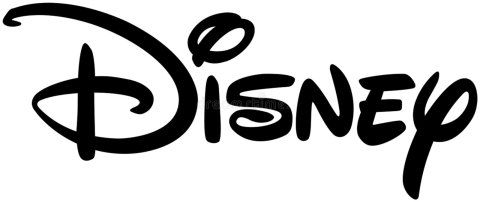
Fig. 9. Disney, 2022. Disney Logo.
Brand Colour Palette
A simple, attractive brand colour palette should be one to three primary colours that enlist an emotional response from the target audience. There is a psychology to colours that convey intuitive emotions a brand must harness to accurately reflect the distinctive personality of a brand. Blue expresses calm, while red and yellow are synonymous with passion and energy. A light tint of blue conveys tranquillity, while a darker shade coveys trust.
Colour enables brand recognition and distinction, who can forget the iconic colour of Coca-Cola, the Facebook blue or the welcoming yellow of the McDonald’s ‘M’ (Cole, 2019).
Brand Typography
Typography works in harmony with a brand logo and colours to reflect the brand’s traits and represent what the brand stands for. Typography achieves this by communicating the tone of voice, grabbing the viewer’s attention, creating brand recognition, and personality (Carton, 2020) expressing different moods, atmospheres and emotions (Hannah, 2020).
The iconic Cadbury’s script logo is based on William Cadbury’s signature. The New York Times calligraphy typeface communicates how mature, well-established and experienced the brand is (Goldring, 2021).
A single primary typeface should lead a brand design, with no more than two complementary, supporting fonts that work well with the logo and colour palette.

Fig. 10. Cadbury, 2022. Cadbury Logo.
Brand Style Guide
Once the core elements of a brand identity have been established, clear brand guidelines need to be outlined in a brand style guide. The style guide should provide clear direction on how the logo, brand colours and typography should be used. A style guide can also include business cards, email signatures, social media banners and content templates as examples to streamline brand guideline adoption (Talbot and McDonald, 2016).
BRAND DEVELOPMENT - OUTCOME
The brand positioning began, by choosing to highlight large agency output with a small studio focus. This has historically played to CAS’s strength as a sole entity that offers world-class design output at competitive rates.
The positioning must create and communicate the brand’s core competencies to show that the brand is irreplaceable. The idea is to place CAS in a unique category that no one else occupies. CAS will further adopt the distinct and memorable strategy of positioning Storm, the individual, as the business.
The approach seamlessly filters into the personality and tone of voice that is based on client research. Clients consistently identify my personality as what endears them to the business.
Reference
Ahmad, I. (2019). Why Brands Should Care About Good Design. [Online] Digital Information World. Available at: https://www.digitalinformationworld.com/2019/10/why-good-design-matters-for-businesses-infographic.html [Accessed 20 Mar. 2022].
Airbnb (2022). Vacation Rentals, Homes, Experiences & Places. [Online] Airbnb. Available at: https://www.airbnb.co.za [Accessed 20 Jul. 2022].
Bullen, E. (2019). 11 of the Best Brand Story Examples. [Online] Nicely Said. Available at: https://medium.com/nicely-said/11-of-the-best-brand-story-examples-af098e4ea911 [Accessed 20 Mar. 2022].
Cole, M. (2019). An In-Depth Look At The Brand Colors Of 100 Top Companies. [Online] Design Wizard. Available at: https://www.designwizard.com/blog/brand-colors [Accessed 17 Apr. 2022].
Couchman, H. (2017). The Search For Value: Defining Clear Brand Values For Your Company. [Online] Fabrik Brands. Available at: https://fabrikbrands.com/how-to-define-brand-values/ [Accessed 11 Mar. 2022].
Ebaq Design (2022). 7 Best Examples of Brand Tone of Voice. [Online] Ebaq Design. Available at: https://www.ebaqdesign.com/blog/brand-voice [Accessed 20 Mar. 2022].
Getman, C. (2018). 17 Inspiring Brand Manifestos. [Online] The Agency Arsenal. Available at: https://theagencyarsenal.com/12-inspiring-brand-manifestos/ [Accessed 22 May 2022].
GoDaddy (2020). Mission Statement vs. Vision Statement — What’s the Difference? [Online] GoDaddy Blog. Available at: https://www.godaddy.com/garage/mission-statement-vs-vision-statement/ [Accessed 15 May 2022].
John (2019). Patagonia Mission Statement 2020 | Patagonia Mission & Vision Analysis. [Online] Mission Statement Academy. Available at: https://mission-statement.com/patagonia/ [Accessed 12 Jun. 2022].
Lazzaro, C. (2020). 21 Powerful Mission Statement Examples That Stand Out. [Online] Wix Blog. Available at: https://www.wix.com/blog/2020/12/mission-statement-examples/? [Accessed 15 May 2022].
Mind Tools (2009). Crafting an Elevator PitchIntroducing Your Company Quickly and Compellingly. [Online] Mind Tools. Available at: https://www.mindtools.com/pages/article/elevator-pitch.htm [Accessed 23 Apr. 2022].
Name cheap (n.d.). What Is a Tagline? Everything You Need to Know - Namecheap. [Online] Guru Guides. Available at: https://www.namecheap.com/guru-guides/what-is-a-tagline/?gclid=Cj0KCQjwyYKUBhDJARIsAMj9lkE1ySMDuGrXdUXdd-nFf-ZNNpRmgtQsYmTUzpjH1hxPhLoVJjs-ZdIaAp9WEALw_wcB [Accessed 15 May 2022].
Nelson, E. (2020). Best Mission Statements: 12 Examples You Need to See. [Online] Fond. Available at: https://www.fond.co/blog/best-mission-statements/ [Accessed 12 May 2022].
Psychologytoday.com (2010). Vision and Mission. [Online] Psychology Today. Available at: https://www.psychologytoday.com/us/blog/smartwork/201004/vision-and-mission [Accessed 12 Mar. 2022].
Romano, J. (2021). How to Create a Compelling Brand Story. [Online] Wix Blog. Available at: https://www.wix.com/blog/2021/02/brand-story [Accessed 20 Mar. 2022].
Side Bean (2022). Elevator Pitch Examples from Successful Startups. [Online] Side Bean. Available at: https://slidebean.com/blog/elevator-pitch-examples-and-templates [Accessed 17 Mar. 2022].
Talbot, S. and McDonald, J. (2016). The 7 Key Elements of Brand Identity Design + 10 Corporate Identity Examples. [Online] Lucidpress Blog. Available at: https://www.lucidpress.com/blog/the-7-key-elements-of-brand-identity-design [Accessed 12 Apr. 2022].
The Acrolinx Team (2018). What Is Tone of Voice and Why Does It Matter? | Acrolinx. [Online] Acrolinx. Available at: https://www.acrolinx.com/blog/what-is-tone-of-voice/ [Accessed 23 Jan. 2022].
List of Figures
Figure. 1. Airbnb (2022). Airbnb Logo. [Online Image] Airbnb. Available at: https://www.airbnb.com [Accessed 20 Jul. 2022].
Figure 2. Harley-davidson (2022). Harley-davidson Advert. [Online Image] Harley-davidson. Available at: https://www.harley-davidson.com/aa/en/index.html [Accessed 20 Jul. 2022].
Figure. 3. Adidas (2022). Adidas Logo. [Online Image] Adidas. Available at: https://www.adidas.co.za/outlet?gclid=Cj0KCQjwz96WBhC8ARIsAATR2515yNMvbYMYcunOk4ANz4vVjROchhw66FehJk8xFhTFVzGvx9vPJXQaAkzSEALw_wcB&gclsrc=aw.ds [Accessed 20 Jul. 2022].
Figure 4. Tesla (2022). Tesla Logo. [Online Image] Tesla. Available at: https://www.tesla.com [Accessed 20 Jul. 2022].
Figure 5. Patagonia (2022). Patagonia Logo. [Online Image] Patagonia. Available at: https://www.patagonia.com/home/ [Accessed 20 Jul. 2022].
Figure 6. WeWork (2022). Wework Logo. [Online Image] Wework. Available at: https://www.wework.com/en-GB [Accessed 20 Jul. 2022].
Figure 7. Apple (2022). Apple Logo. [Online Image] Apple. Available at: https://www.apple.com [Accessed 20 Jul. 2022].
Figure 8. Nike (2022). Nike Just Do It Logo. [Online Image] Nike. Available at: https://www.nike.com/za/ [Accessed 20 Jul. 2022].
Figure 9. Disney (2022). Disney Logo. [Online Image] Disney. Available at: https://www.disney.co.za [Accessed 20 Jul. 2022].
Figure 10. Cadbury (2022). Cadbury Logo. [Online Image] Cadbury. Available at: https://www.cadbury.co.za [Accessed 20 Jul. 2022].